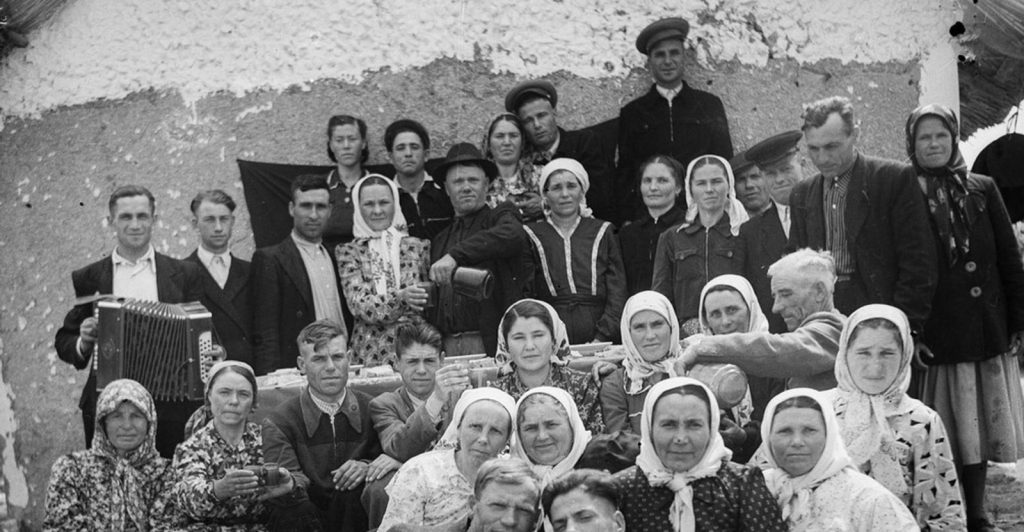
Taste acacia honey, then linden, then a dark forest honey, and you can tell them apart before anyone names them. Each comes from a different tree, a different month and a different corner of the hills. This day explains why.
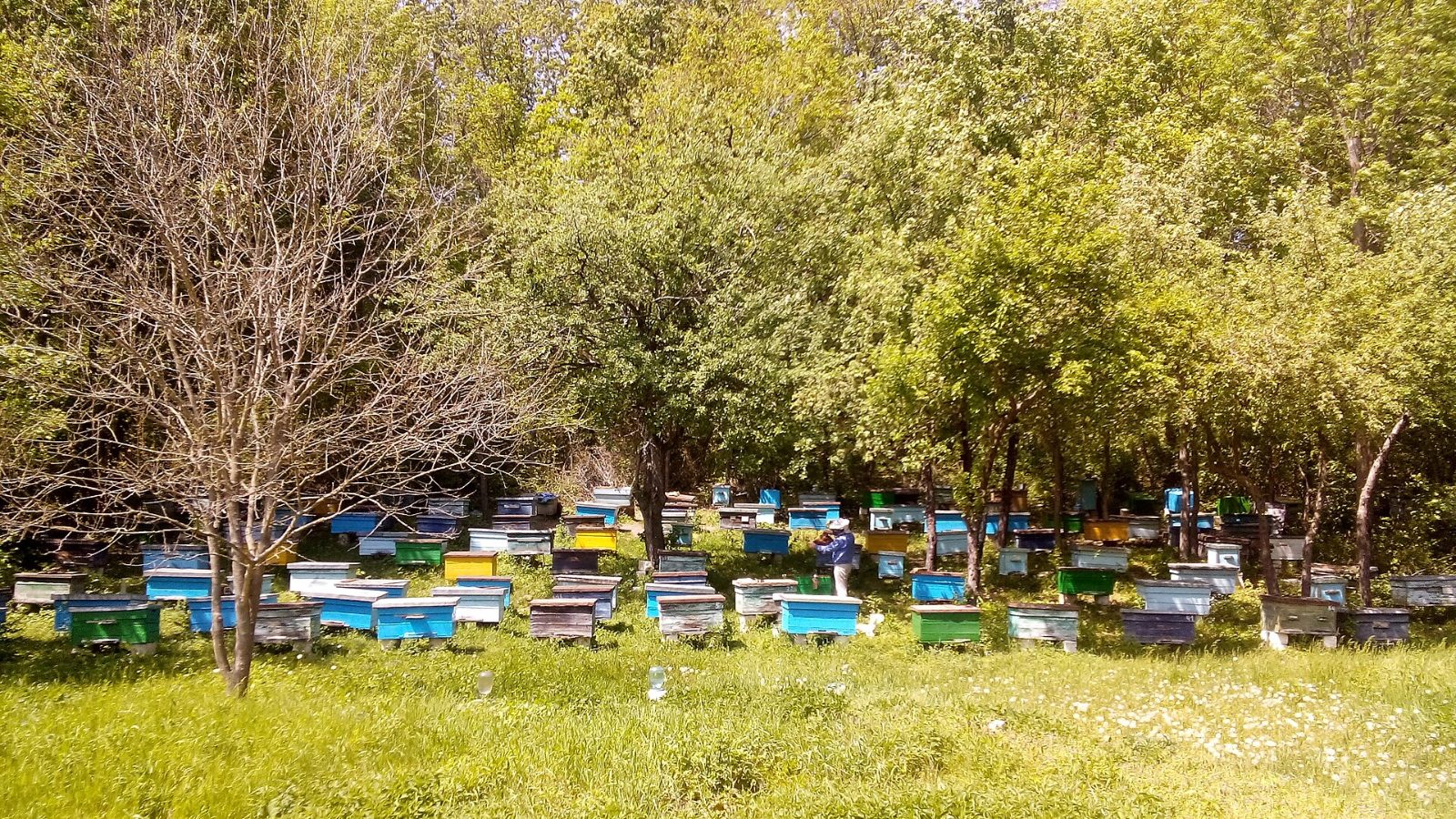
We spend it with a beekeeper in the Codri, the forested hills of central Moldova. You open a hive together, walk the meadows and forest edges the bees work, taste the honeys side by side and roll a beeswax candle to take home. On the full day, lunch is at a village guesthouse, with honey in the cooking.
It suits families, school and study groups, and anyone who travels for nature and food. No experience needed.
Chișinău – your hotel
On request. Each visit is planned for your date and your group.
A partner apiary and family guesthouse in the Codri hills, about an hour from Chișinău.
The half day covers the hives, the tasting and the candle. The full day adds the walk through the flowering plants and a long lunch at the guesthouse.
From spring to late summer the day is outside, at the hives and in the meadows. In winter the bees rest, so the tasting and the wax work move indoors.
Children are welcome and suits come in small sizes. The beekeeper decides how close each group goes. If anyone is allergic to stings, tell us: the tasting and the workshop can be done away from the hives.
A full-day outline. The order on the day follows the weather and the bees.
Pick-up at your hotel in Chișinău. About an hour by car into the forested hills of central Moldova.
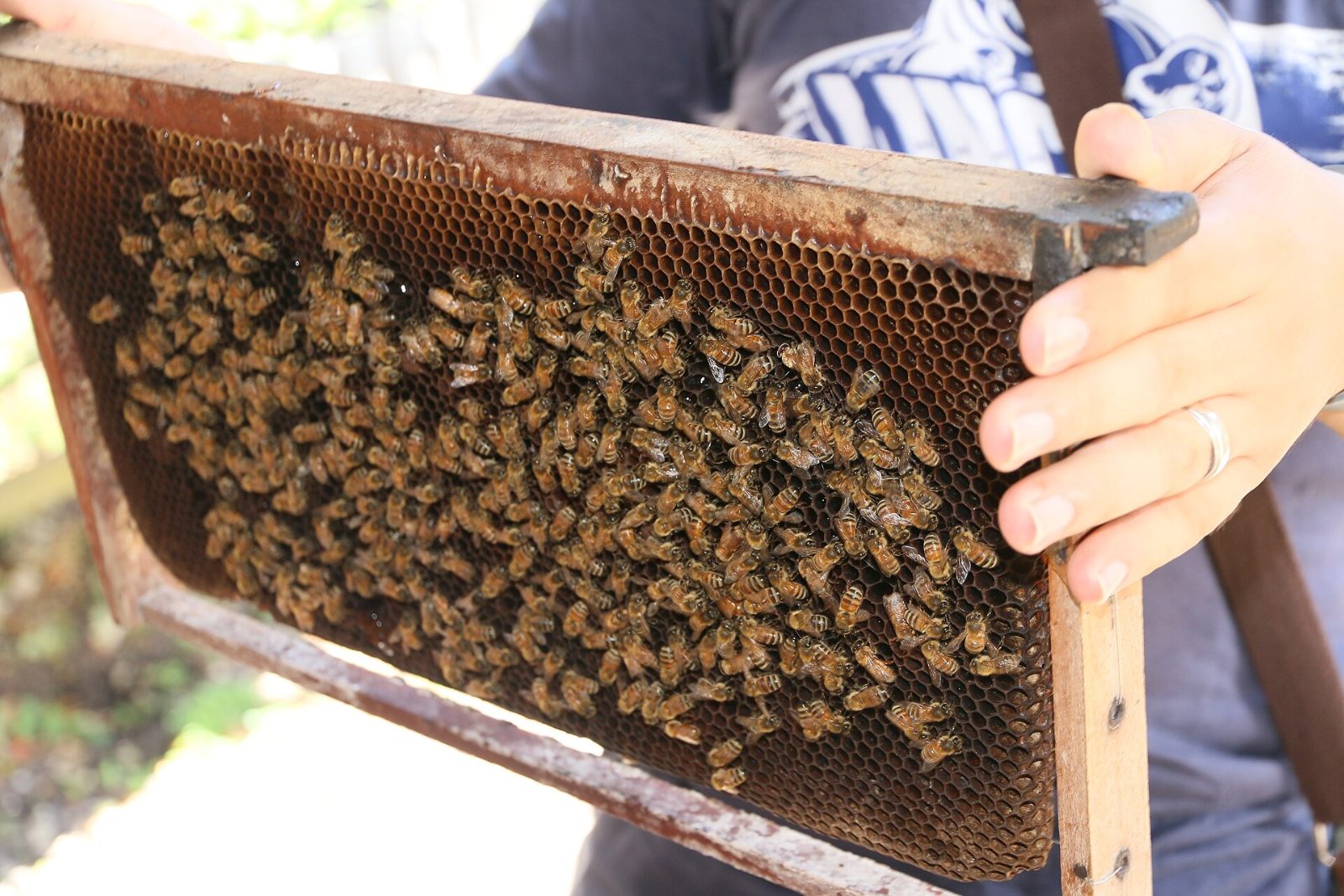
Suits on. The beekeeper opens a hive, lifts out the frames and shows you the honey, the brood and, if she can be found, the queen. You learn how a colony lives through the year.
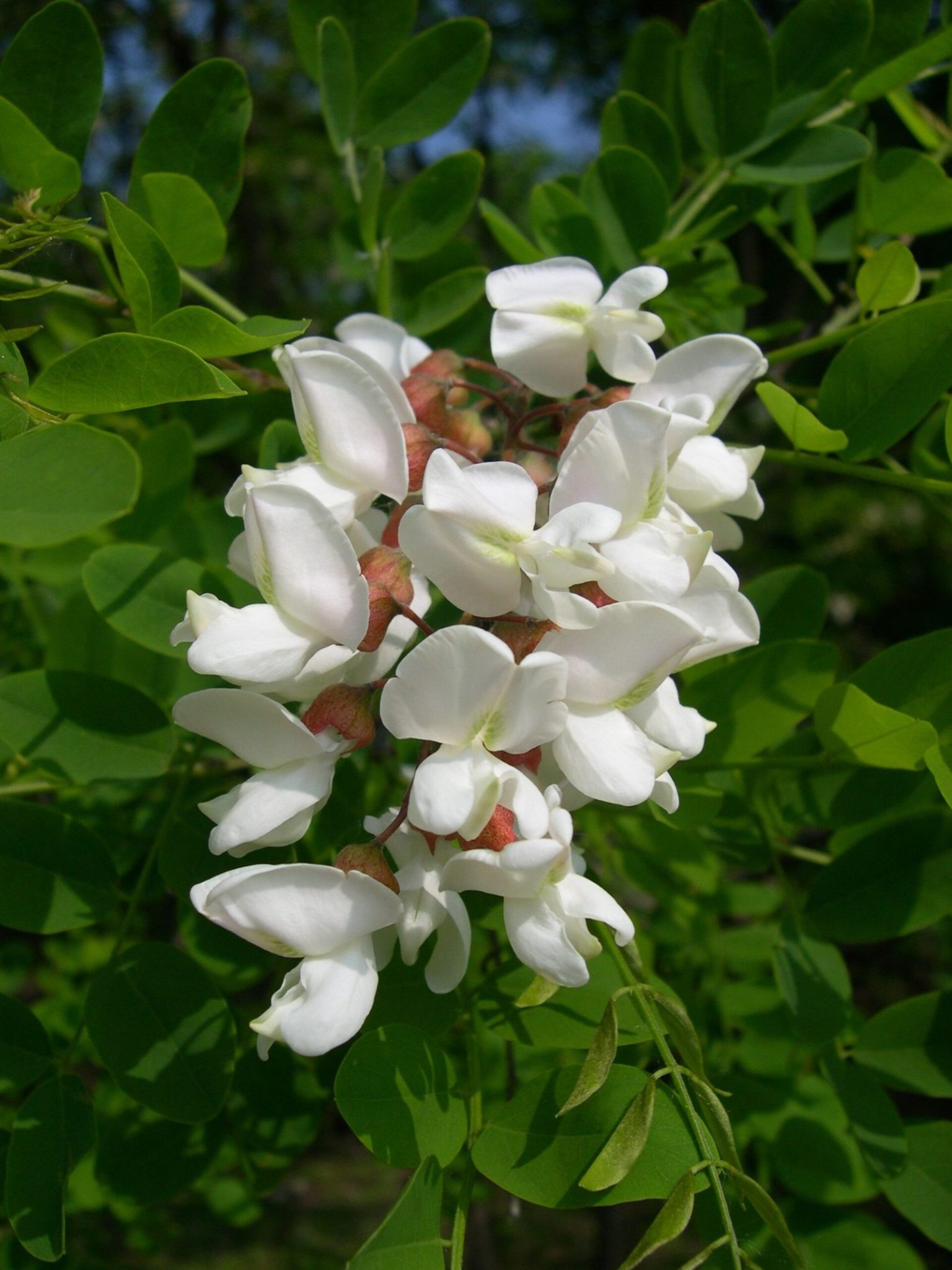
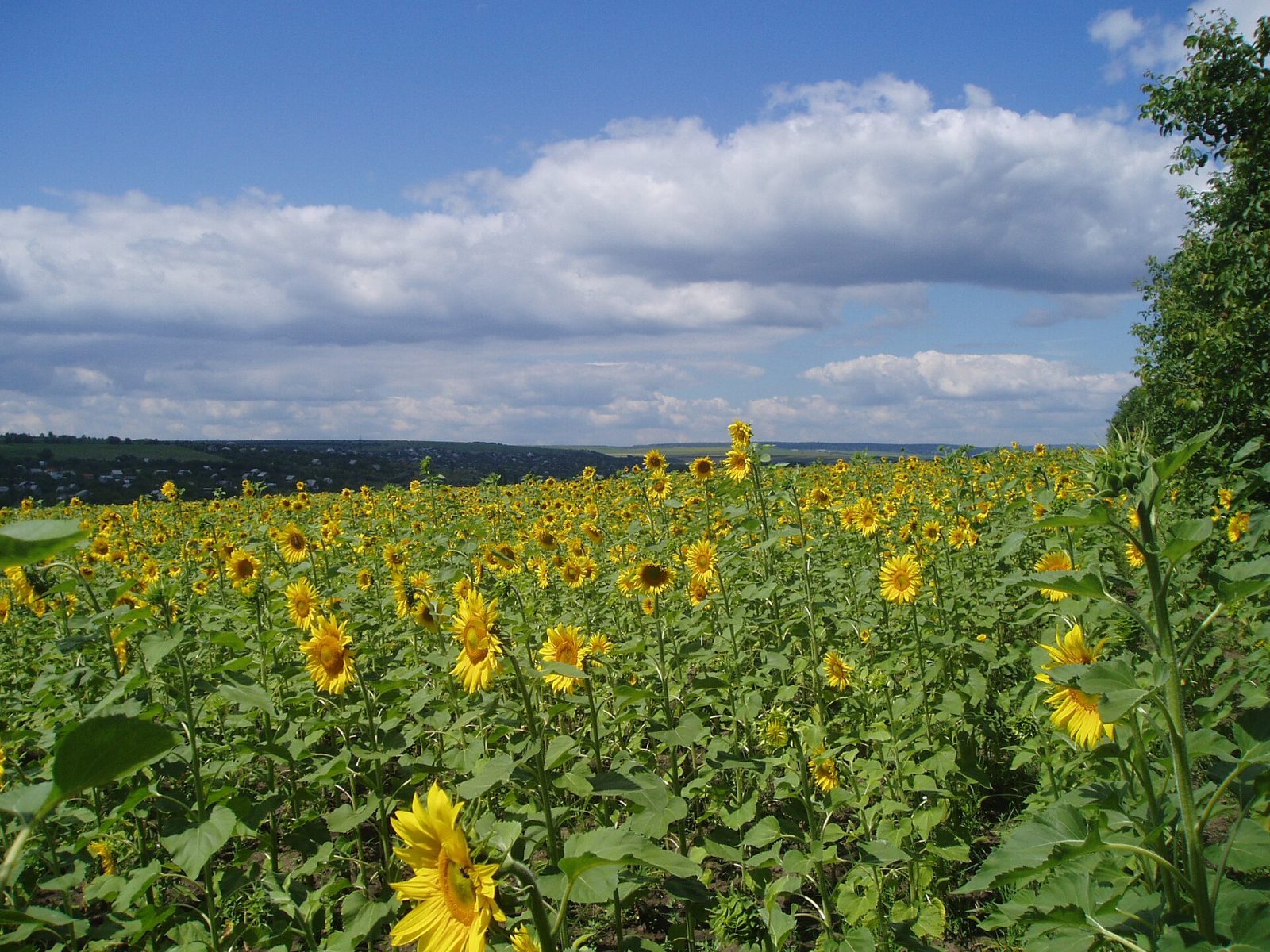
A slow walk around the apiary. In season you see the plants the bees are working: acacia in late spring, linden in early summer, then meadow flowers and sunflowers. In winter the beekeeper shows the same story through pollen and dried plants.
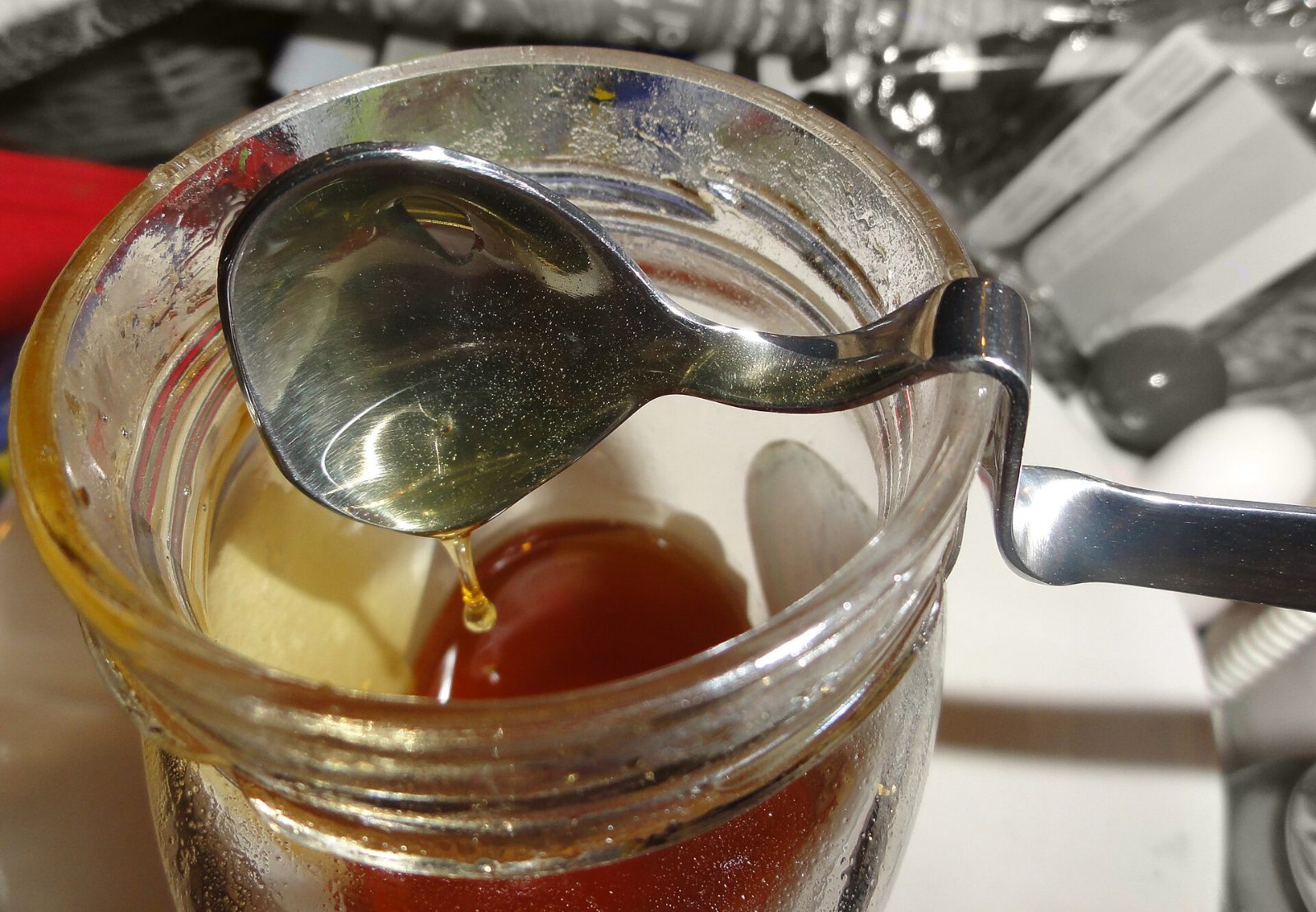
Several honeys side by side. You compare colour, texture and taste and guess the source before you are told. Then the beekeeper explains why acacia honey stays liquid for years while sunflower honey sets within weeks.
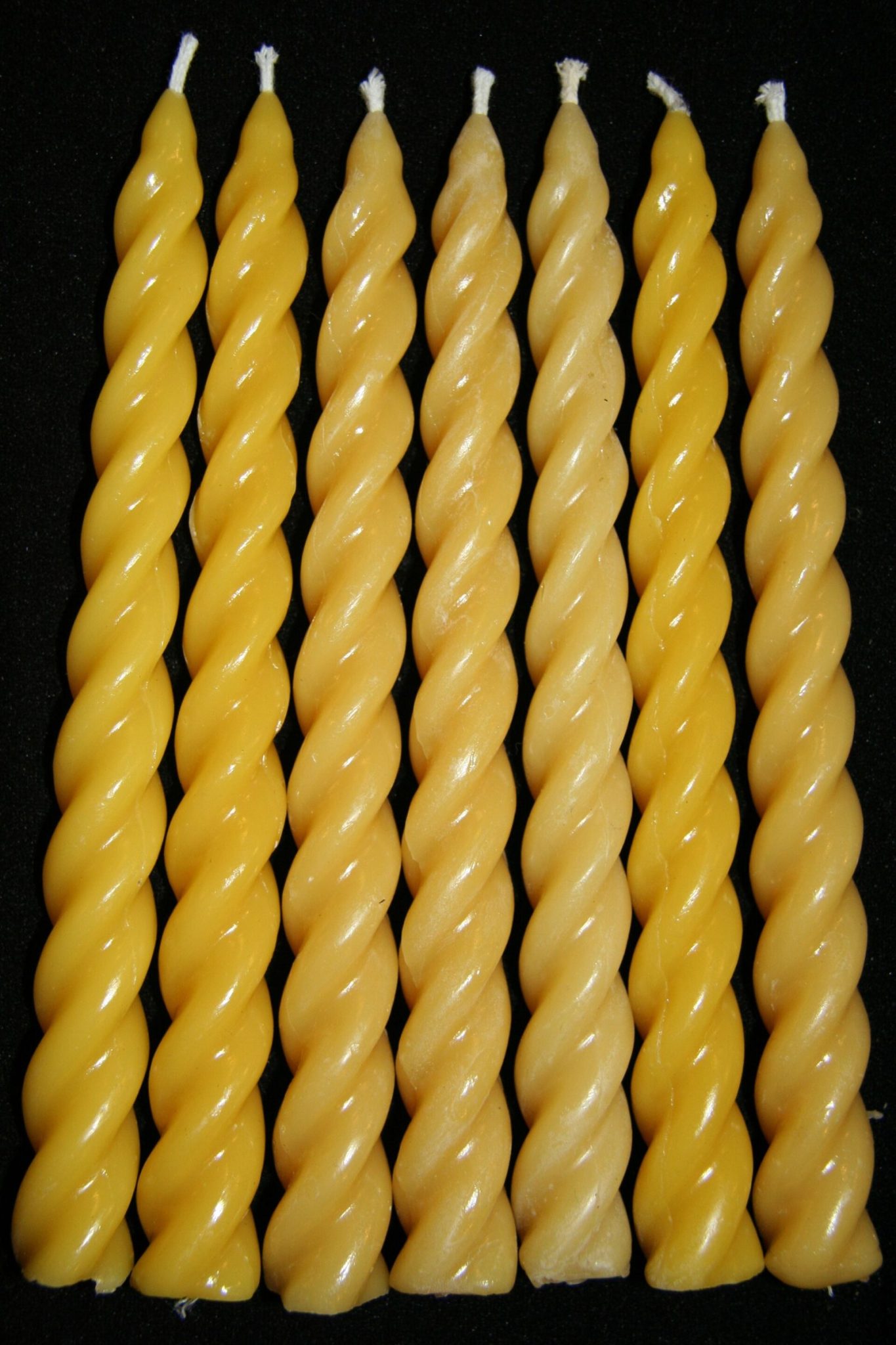
Roll a candle from a sheet of beeswax. It takes about twenty minutes and goes home with you.
Lunch at a village guesthouse, home cooking with honey in several of the dishes. Return to Chișinău in the afternoon. The half day ends after the workshop and returns before lunch.
Codrii Moldovei, central Moldova
The Codri are the old forests of central Moldova: oak, hornbeam, linden and acacia on rolling hills. They hold Codru, the country’s oldest scientific reserve.
Honey from these hills has its own protected geographical indication, Miere din Codrii Moldovei. Its specification describes acacia honey as almost colourless and slow to crystallise, linden honey as yellow-orange with a woody aroma, and forest honey as yellow-brown, with a slightly bitter, caramel note.
Honey was the first product of animal origin from Moldova to reach the EU market, and today most of the honey the country exports goes there. The tasting puts the difference between these honeys on a spoon.
Photos from Wikimedia Commons: forest apiary, apiary in the Codri and hives in the woods by Alexander Murvanidze (CC BY-SA 3.0); Codru Reserve apiary by Gikü (CC0); acacia blossom by Archenzo (CC BY-SA 3.0); honeycomb frame by Øyvind Holmstad (CC BY-SA 4.0); beeswax candles by Jonathunder (CC BY-SA 3.0); honey by Fæ (CC BY-SA 3.0); sunflower field by Guttorm Flatabø (CC BY 2.0). Images resized and cropped.
Tell us your preferred date, half or full day, the size of your group and the ages of any children. We will reply with a plan and a price.