

Moldova is a small country with a large plan for its paperwork. The government wants every public service for citizens and businesses to be available online by 2030. Some of it already works from a phone. Some of it still needs a visit to an office.
The strategy behind it
In 2023 the Government approved the Digital Transformation Strategy of the Republic of Moldova for 2023–2030. It aims at a competitive IT sector, a digital economy and a state whose services can all be accessed online.
Progress can be measured. In July 2026 the government reported that its EVO portal and app list 629 public services, and 426 of them, about two thirds, can be requested online. 26 of the 60 institutions that provide public services now offer all of them online. By the government’s count, digital services saved more than 853 million lei in 2025 in time no longer spent in queues.
The building blocks: MPass, MSign, MPay and EVO
- MPass – the government login, one account for most state portals.
- MSign – the service that applies a qualified electronic signature to online applications.
- MPay – payment of state fees and taxes by card or online banking.
- EVO – the government app and portal that brings services together and holds digital versions of documents such as the driving licence.
Migration services move online
The General Inspectorate for Migration (IGM), the authority for foreign citizens in Moldova, has moved part of its work to its e-services platform, eservicii.igm.gov.md. One of these services is the invitation that nationals of some countries need before they can apply for a Moldovan visa.
The request is made by the inviting side in Moldova, a resident or a registered company, not by the traveller. Documents are uploaded in digital form, fees are paid through MPay, and the approved invitation arrives by email as a printable document. The standard processing time is up to 10 working days.
The step most people miss: the digital signature
An online request has to be signed. The applicant logs in with MPass and signs with a qualified electronic signature. In Moldova this means a mobile signature activated through a mobile operator, a USB token issued by the state provider STISC, or an electronic identity card.
Getting a signature is a separate procedure. You apply to the provider and identify yourself in person, and a remote option is still being developed. For someone who lives abroad or rarely deals with Moldovan institutions, this is the hard part. In practice, the request is often filed by a local attorney who already holds a qualified signature and acts under a power of attorney.
The e-visa
Visitors who need a visa can apply online at evisa.gov.md. The e-visa covers short stays and transit. The fee is €40, paid by card, and the decision normally comes within 10 calendar days. An approved e-visa arrives by email as a PDF to print and carry with your passport. Nationals of some countries still need an invitation from the IGM, even when they apply online.
Citizens of many countries, including all EU member states, can visit Moldova for short stays without a visa. Check the rules for your nationality on the official portals before you plan.
A note from us
Tours of Moldova is a tour operator. We do not provide visa support or issue invitations, and we cannot advise on individual cases. For these questions, contact the General Inspectorate for Migration or the nearest Moldovan embassy or consulate.
Paperwork done, now the country
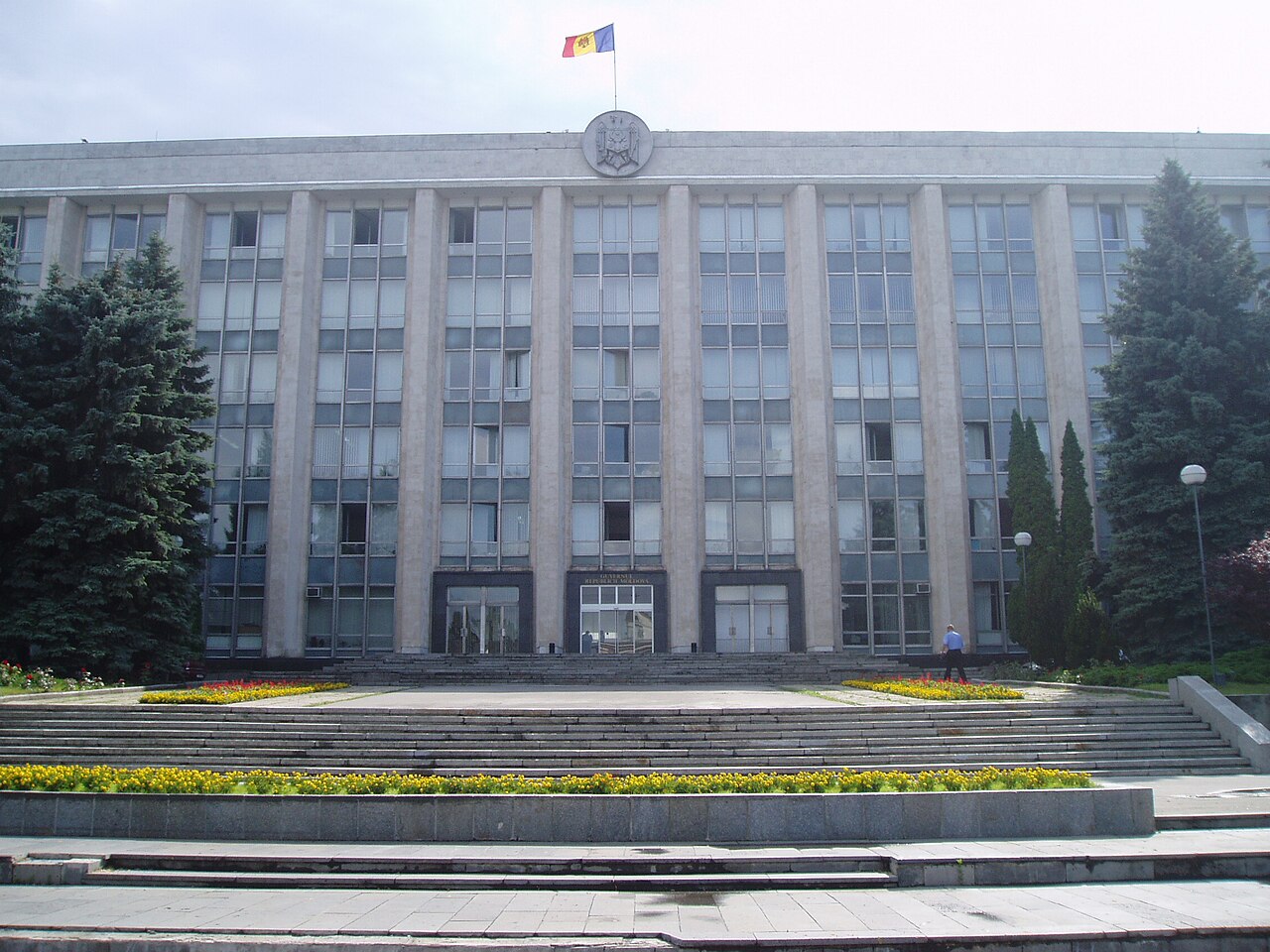
Once your documents are in order, the rest is why you came. Start with a walking tour of Chișinău, where Government House stands on Ștefan cel Mare Boulevard, or spend two days on our wine, history and nature route through Cricova, Old Orhei and Curchi.
Sources: Government of the Republic of Moldova, Digital Transformation Strategy 2023–2030; General Inspectorate for Migration (igm.gov.md); e-Visa portal (evisa.gov.md); egov.md. Photo: Government House, Chișinău, by Guttorm Flatabø, CC BY 2.0, via Wikimedia Commons.